MAGNUM OPUS, or "How I Learned to Blow $20 Million on a Record and Learn Nothing From the Experience."

It’s impossible to overstate just how much of a cultural juggernaut Guns N’ Roses were back in the 80’s. With a constant presence on MTV, radio airplay, magazine covers, and the nightly tabloid entertainment shows, it was really the last time that a rock band would completely dominate the media landscape in such a comprehensive way.
And all of that was because of their 1987 debut, Appetite for Destruction.
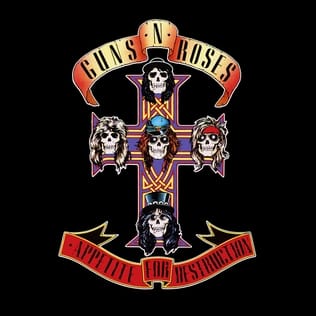
Hair Metal (which had reigned over much of the decade) was in the early stages of Hospice care, and pre-grunge music tastes were beginning to shift towards bands with more authenticity. GNR were in the right place at the right time; Poison sounded like they wanted to date your sister, GNR sounded like they wanted to start a fight. 30 million albums and 40 years later, you can still turn on the radio at any point in the day and still hear “Welcome to the Jungle”.
From there it gets dicey. GNR follows up Appetite in ’91 with the bloated Use Your Illusion double album, the usual rock start BS sets in, members leave, a half-hearted covers album, and by the mid-90’s Axl Rose is the last man standing with full ownership of the GNR brand. Eventually Axl would reveal that he’d assembled a new version of Guns N’ Roses, with the next album to be titled “Chinese Democracy”.
Remember kids, the internet didn’t exist for most of Chinese Democracy’s gestation period. Between that and Axl’s kung-fu grip on media drips, it was tough for fans to get a real gauge on what was happening in the GNR camp for years. And that lack of information made us all very curious to hear what the band was cooking.
But by the late 2000’s the internet was a thing, and tracks from Chinese Democracy began to hit the web. I can vividly remember walking my dog and listening to some of the tunes that I had come in contact with and loving it. It didn’t sound like the old GNR, but songs like Madagascar and Riad and the Bedouins were solid tunes on their own merit. By the time Chinese Democracy was officially released in 2008, music tastes had shifted again, fans had mostly moved on, and the album hit with a resounding thud.
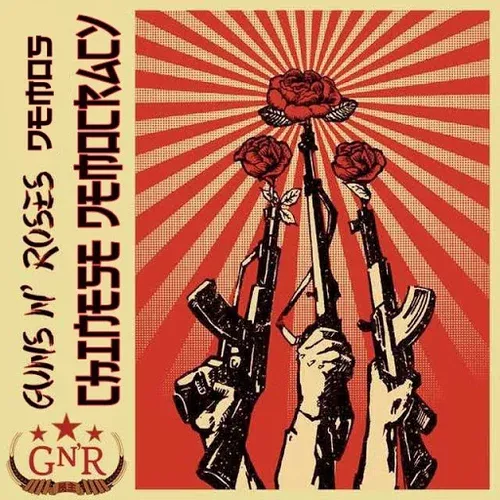
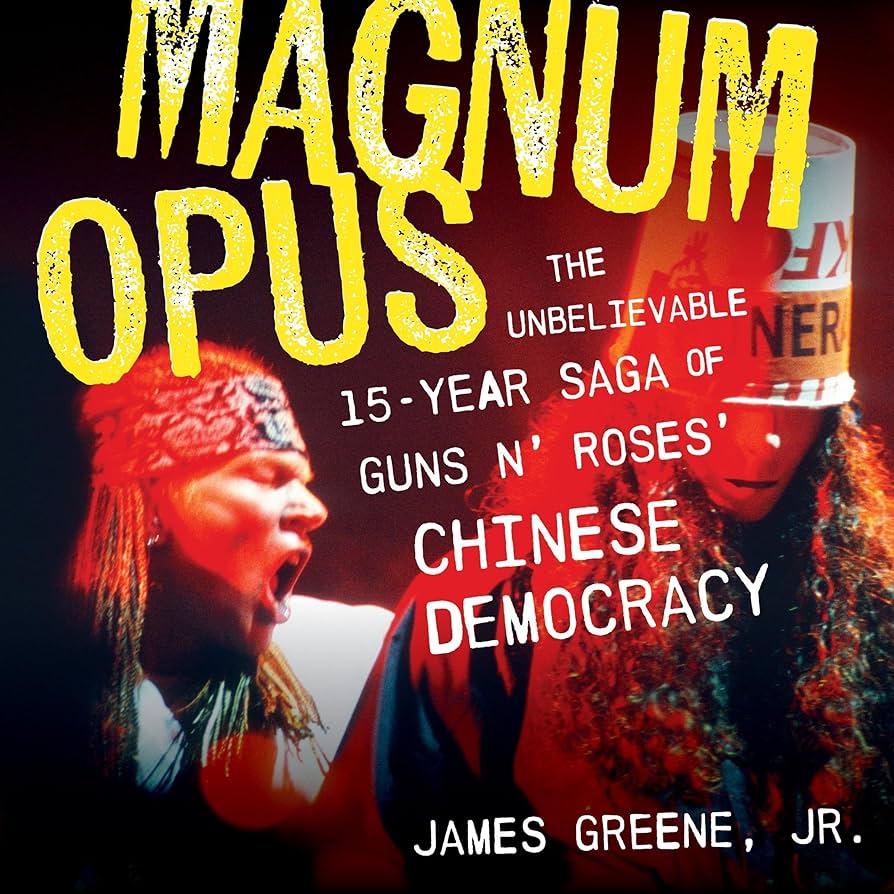
The journey towards Chinese Democracy is documented in painstaking detail in James Green, Jr’s “MAGNUM OPUS: The Unbelievable 15-Year Saga of Guns N’ Roses’ Chinese Democracy.” A compilation of personal interviews (both on and off the record) with conspirators who were in the room and publicly available material, it’s a fascinating read that matter-of-factly explores the genesis, birth, and reception of an album that had previously been shrouded in layers of mystery and innuendo. There are so many “this can’t be true” moments in the book that the natural reflex would be to dismiss it as tabloid gossip, but between Green’s fastidious documentation and corroboration of stories, it comes across as surprisingly honest. Hell – even if only 20% of what Magnum Opus reveals is true, the story is still Gwen Stefani level B-A-N-A-N-A-S.
Some highlights:
· Between band/staff salary, studio time, and other shenanigans, over $20 Million was spent on Chinese Democracy.
· Most of that $20 Million was never recouped and either absorbed through label M&A or written off as a financial loss.
· A rotating cast of over a dozen producers and engineers, some of which only lasted a few days (including Moby and Killing Joke's Youth).
· A rotating cast of over a dozen musicians, including a guy with a KFC bucket for a hat and a childhood friend with no professional experience who somehow became the new rhythm guitarist.
· Allegations of spousal abuse.
· A housekeeper who became a personal manager.
· Psychics and spiritualists, a few of them.
· Concerts were cancelled because there was a basketball game on.
· Tours were cancelled because Axl supposedly didn’t remember agreeing to them.
· Riots, a few of them.
· Shaquille O’ Neal.
· A chicken coop in the studio.
· A scrapped re-recording of Appetite for Destruction.
· A Dr. Pepper promotion that unsurprisingly went sideways.
· Axl really, really, really didn’t like Slash for a long time.
There’s obviously much, much more, but the staggering amount of time, energy, and mountains of cash that was poured into one man's quixotic quest to create the perfect record is absolutely mind boggling (particularly in the current age of non-existent label investments). Had Interscope Records not pulled the plug on financing the endeavor, we very well may still be waiting for Chinese Democracy to come out.
Magnum Opus is current enough to follow GNR through the eventual reconciliation with Slash & Duff (cough, cough, huge paycheck, cough) and the “new” singles born from that reunion, so there's a real time feeling of closure to the tale. Green makes no bones about not being the biggest GNR fan in the world, but treats the mission with a reasonable degree of journalistic integrity. It would've been easy enough to turn Magnum Opus into a lesson of conscience (or lack thereof), but the stories themselves do a fine job of conveying those provocations on their own.
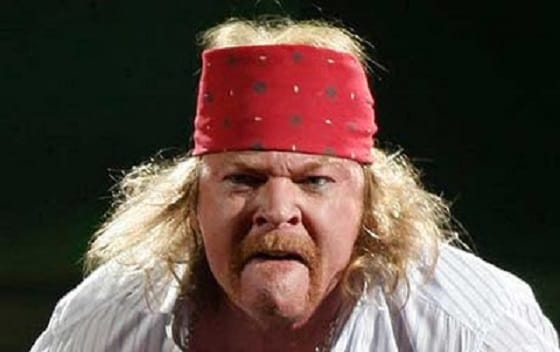
For those with a real appreciation of Chinese Democracy, there’s a ton of fanboy nuggets littered across the book that you'll devour like Fat Axl in a French bakery. If you’ve never given a second thought to GNR at all, it’s still a fascinating story that intersects the death of the recording industry and the last true vestiges of rock star excess.
For whatever it’s worth, I personally love Chinese Democracy. Sure, I’ll skip over certain tunes, but for me, the opening trifecta of the title track/Shackler’s Revenge/Better tops anything on Use Your Illusion. Had the album been released 10 years earlier, it would’ve had a much better reception; but by 2008, nobody cared anymore. If it had been released as “W. Axl Rose’s Chinese Democracy”, the music press would’ve fawned all over it as a bold artistic step forward. Either way – if you strip away the branding and the history, the 14 tracks that made the final cut of the album are for the most part really strong hard rock tunes.
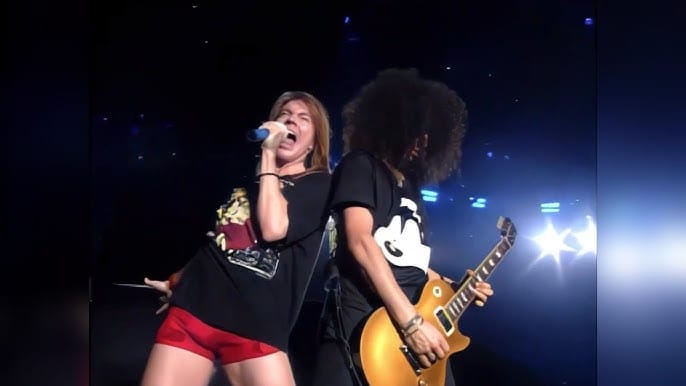
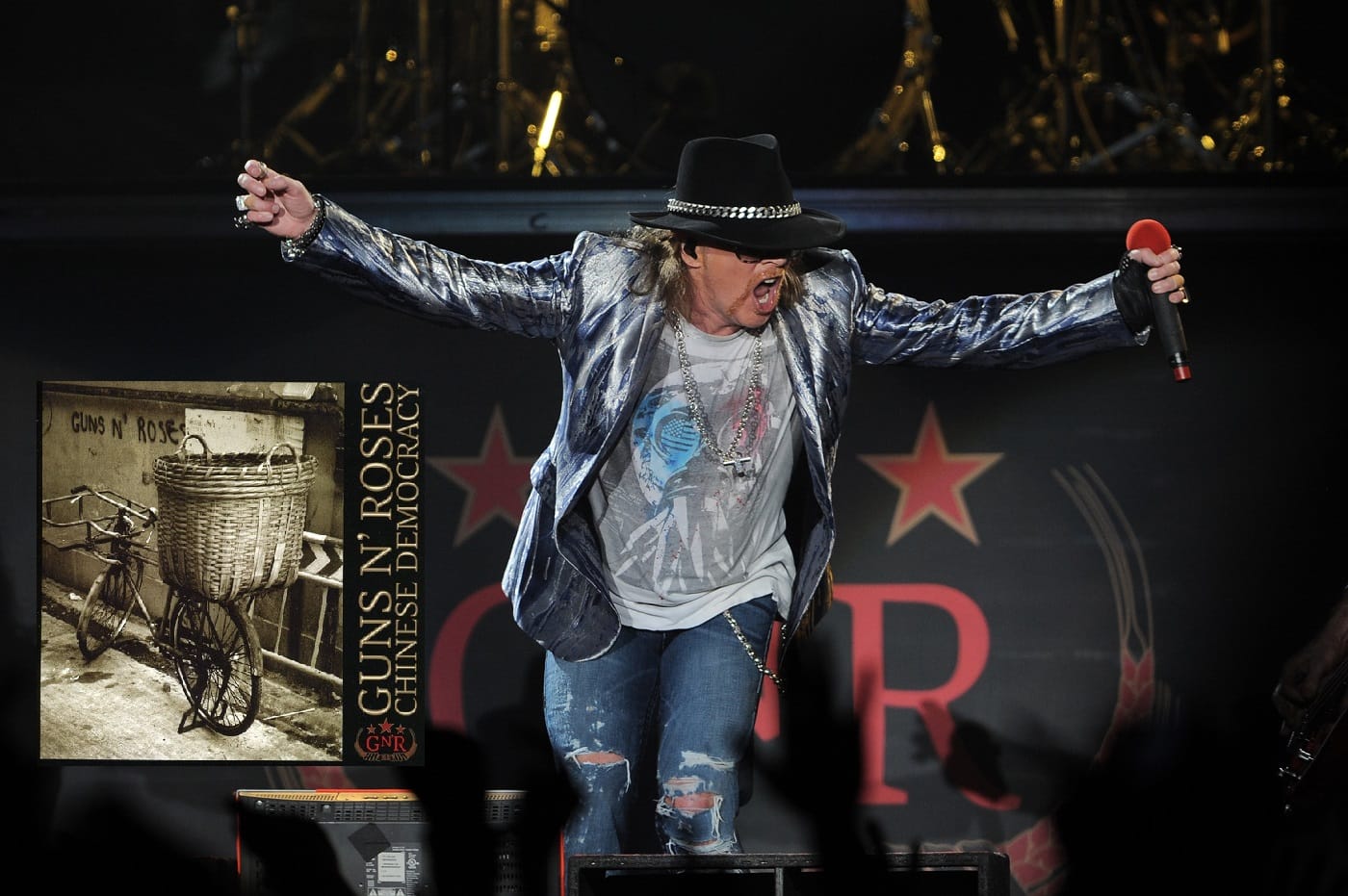
Last personal anecdote – the one and only time I saw Guns N’ Roses live was in 2012 on the “Up Close and Personal” tour, where the Chinese Democracy lineup toured various club venues for a more intimate set of performances. A local band opened the show; they were just as surprised to be there as we were. GNR didn’t hit the stage until almost midnight and played until around 3 in the morning. Axl Rose had over a dozen wardrobe changes throughout the night and recounted the audience with off the cuff stories and non-sequiturs (“I was at the hotel watching Boondock Saints, my friend Willem Dafoe is in it”). They opened the show with the song “Chinese Democracy”, closed with “Paradise City” and played just about everything in their repertoire in between. And it’s still hands down one of the top 5 concerts I’ve ever been to. Despite us all being exhausted from the late start and wondering what kind of GNR we were going to see, all of that went out the window as soon as the band hit the stage. They sounded phenomenal (Axl in particular was in prime form), and in a flash we were all kids again hearing “Welcome to the Jungle” for the first time. That’s what rock and roll is all about, and more importantly, what Guns N’ Roses are still all about.
MAGNUM OPUS, The Unbelievable 15-Year Saga of Guns N’ Roses’ Chinese Democracy is available from Backbeat Books and available for purchase from the usual suspects.